Introduction to Cloud Computing
Cloud computing has transformed the way organizations, businesses, and individuals access, manage, and store data. Instead of relying on physical hardware and local servers, cloud computing delivers computing services over the internet, providing scalable resources, enhanced flexibility, and cost-effective solutions. Today, cloud technology powers everything from mobile applications and business software to artificial intelligence and big data analytics.
As digital transformation accelerates across industries, cloud computing has become the foundation of modern IT infrastructure. Organizations leverage cloud services to improve operational efficiency, reduce costs, strengthen security, and drive innovation.
What Is Cloud Computing?
Cloud computing refers to the on-demand delivery of computing resources, including servers, storage, databases, networking, software, analytics, and intelligence over the internet. Users can access these resources whenever needed without owning or maintaining physical infrastructure.
Cloud service providers manage the underlying hardware, software, and networking components, allowing businesses to focus on their core objectives rather than IT maintenance.
Key characteristics of cloud computing include:
- On-demand self-service
- Broad network access
- Resource pooling
- Rapid elasticity
- Measured service
- High availability
- Scalability
How Cloud Computing Works
Cloud computing operates through a network of remote servers hosted in data centers around the world. These servers store, process, and manage data while providing services through internet-based platforms.
When users access cloud applications or store files online, their requests are processed by cloud servers. The cloud provider allocates resources dynamically, ensuring optimal performance and availability.
The cloud architecture consists of:
Front-End Infrastructure
The user-facing interface, including web browsers, applications, and devices that connect to cloud services.
Back-End Infrastructure
The cloud servers, databases, storage systems, and networking components responsible for delivering services.
Virtualization Technology
Virtualization enables multiple virtual machines to run on a single physical server, maximizing resource utilization and efficiency.
Types of Cloud Computing
Public Cloud
The public cloud is operated by third-party providers who deliver computing resources over the internet. Multiple customers share the same infrastructure while maintaining data isolation.
Benefits include:
- Lower costs
- High scalability
- Easy deployment
- Global accessibility
Private Cloud
A private cloud is dedicated exclusively to a single organization. It offers greater control, customization, and security.
Advantages include:
- Enhanced data privacy
- Greater compliance capabilities
- Improved customization
- Dedicated resources
Hybrid Cloud
Hybrid cloud combines public and private cloud environments, allowing data and applications to move between them seamlessly.
Key benefits:
- Flexibility
- Cost optimization
- Enhanced security
- Improved disaster recovery
Multi-Cloud
Multi-cloud strategies involve using services from multiple cloud providers simultaneously.
Advantages include:
- Reduced vendor dependency
- Improved resilience
- Optimized performance
- Greater service flexibility
Cloud Service Models
Infrastructure as a Service (IaaS)
IaaS provides virtualized computing resources over the internet. Organizations can rent servers, storage, and networking infrastructure instead of purchasing physical hardware.
Common features include:
- Virtual machines
- Storage solutions
- Networking resources
- Load balancing
Platform as a Service (PaaS)
PaaS delivers a complete development environment where developers can build, test, and deploy applications without managing infrastructure.
Benefits include:
- Faster development cycles
- Simplified deployment
- Reduced complexity
- Integrated development tools
Software as a Service (SaaS)
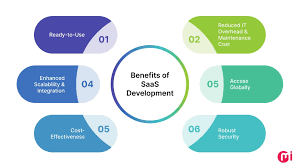
SaaS provides ready-to-use software applications accessible through web browsers.
Advantages include:
- No installation requirements
- Automatic updates
- Subscription-based pricing
- Accessibility from any location
Function as a Service (FaaS)
FaaS enables developers to execute code in response to specific events without managing servers.
Benefits include:
- Event-driven architecture
- Cost efficiency
- Automatic scaling
- Faster deployment
Major Benefits of Cloud Computing
Cost Efficiency
Cloud computing eliminates significant capital expenditures associated with hardware purchases and maintenance. Organizations pay only for the resources they use.
Scalability and Flexibility
Cloud platforms allow businesses to scale resources up or down based on demand. This flexibility ensures optimal performance during peak usage periods.
Enhanced Collaboration
Cloud-based tools enable teams to collaborate in real time regardless of location, improving productivity and communication.
Business Continuity
Cloud providers offer backup and disaster recovery solutions that help organizations maintain operations during unexpected disruptions.
Global Accessibility
Users can access cloud services from anywhere with an internet connection, supporting remote work and global business operations.
Automatic Updates
Cloud providers regularly update infrastructure and software, ensuring users benefit from the latest features and security enhancements.
Cloud Computing Security
Security remains a critical aspect of cloud adoption. Modern cloud providers implement advanced security measures to protect sensitive information.
Important cloud security features include:
- Data encryption
- Identity and access management
- Multi-factor authentication
- Continuous monitoring
- Threat detection
- Security audits
- Compliance certifications
Organizations should also establish strong internal security policies to complement cloud provider protections.
Cloud Computing and Big Data
The rise of big data has increased the demand for scalable storage and processing capabilities. Cloud computing provides the infrastructure necessary to manage massive datasets efficiently.
Cloud-powered big data solutions offer:
- Real-time analytics
- High-performance computing
- Data warehousing
- Machine learning integration
- Predictive analytics
These capabilities help organizations make informed decisions based on actionable insights.
Cloud Computing and Artificial Intelligence
Artificial intelligence and cloud computing are closely connected. Cloud platforms provide the computational power required for AI development and deployment.
Key AI cloud services include:
- Machine learning platforms
- Natural language processing
- Computer vision
- Predictive analytics
- Intelligent automation
Businesses leverage these technologies to improve customer experiences, streamline operations, and create innovative products.
Applications of Cloud Computing Across Industries
Healthcare
Healthcare organizations use cloud solutions for:
- Electronic health records
- Telemedicine
- Medical imaging
- Patient data management
Education
Educational institutions utilize cloud computing for:
- Online learning platforms
- Virtual classrooms
- Student collaboration
- Digital resource management
Finance
Financial institutions depend on cloud services for:
- Fraud detection
- Risk analysis
- Customer relationship management
- Secure transaction processing
Retail
Retail companies use cloud technologies to support:
- E-commerce platforms
- Inventory management
- Customer analytics
- Personalized marketing
Manufacturing
Manufacturers benefit from:
- Supply chain optimization
- Predictive maintenance
- Industrial IoT
- Production analytics
Challenges of Cloud Computing
While cloud computing offers numerous benefits, organizations may encounter certain challenges.
Data Privacy Concerns
Protecting sensitive information requires careful planning and compliance with regulations.
Vendor Lock-In
Dependence on a single provider can limit flexibility and increase migration complexity.
Internet Dependency
Cloud services require reliable internet connectivity to ensure uninterrupted access.
Compliance Requirements
Organizations must ensure cloud environments meet industry-specific regulatory standards.
Future Trends in Cloud Computing
Edge Computing
Edge computing processes data closer to its source, reducing latency and improving performance.
Serverless Computing
Serverless architectures continue to gain popularity due to their efficiency and simplified management.
Cloud-Native Applications
Businesses increasingly develop applications specifically designed for cloud environments.
Artificial Intelligence Integration
AI-driven cloud services will continue expanding, providing more advanced automation and analytics capabilities.
Quantum Computing
Emerging quantum technologies may significantly enhance computational power and solve complex problems beyond traditional computing capabilities.
Green Cloud Computing
Sustainability initiatives are driving cloud providers to improve energy efficiency and reduce environmental impact.
Best Practices for Cloud Adoption
Organizations seeking successful cloud implementation should:
- Define clear business objectives.
- Assess workload requirements.
- Develop a security strategy.
- Implement data governance policies.
- Monitor performance continuously.
- Train employees on cloud technologies.
- Establish disaster recovery plans.
- Optimize resource utilization regularly.
Following these practices helps maximize cloud benefits while minimizing risks.
Conclusion
Cloud computing has become the cornerstone of modern digital transformation, enabling organizations to achieve greater agility, scalability, and innovation. From infrastructure management and software delivery to artificial intelligence and big data analytics, cloud technology empowers businesses to operate more efficiently in an increasingly competitive landscape.
As cloud platforms continue evolving, organizations that embrace cloud computing will gain access to advanced technologies, improved operational capabilities, and new opportunities for growth. By implementing secure, scalable, and well-planned cloud strategies, businesses can position themselves for long-term success in the digital era.
Cloud computing is not merely a technology trend; it is the foundation of the future digital economy, driving innovation, efficiency, and global connectivity across every industry.